


The work behind the game goes unseen
Bug fixes, QA passes, asset tweaks, and polish keep the build moving, but rarely get recognized.
 Skip to main content
Track builds, sprints, art, and QA in one place, with progress and rewards built into the work your studio already does.
14-day free trial • No credit card required


Why It Matters
Design, art, engineering, and QA in sync
One place for tasks, builds, and milestones
Progress that recognizes the work behind the game
The Problem
Bug fixes, QA passes, asset tweaks, and polish keep the build moving, but rarely get recognized.
As deadlines get closer, updating tickets becomes another thing to keep up with, and the board stops reflecting what’s actually happening.
Long builds, shifting priorities, and repetitive tasks make it harder to keep the team engaged when the finish line still feels far away.
The Workspace
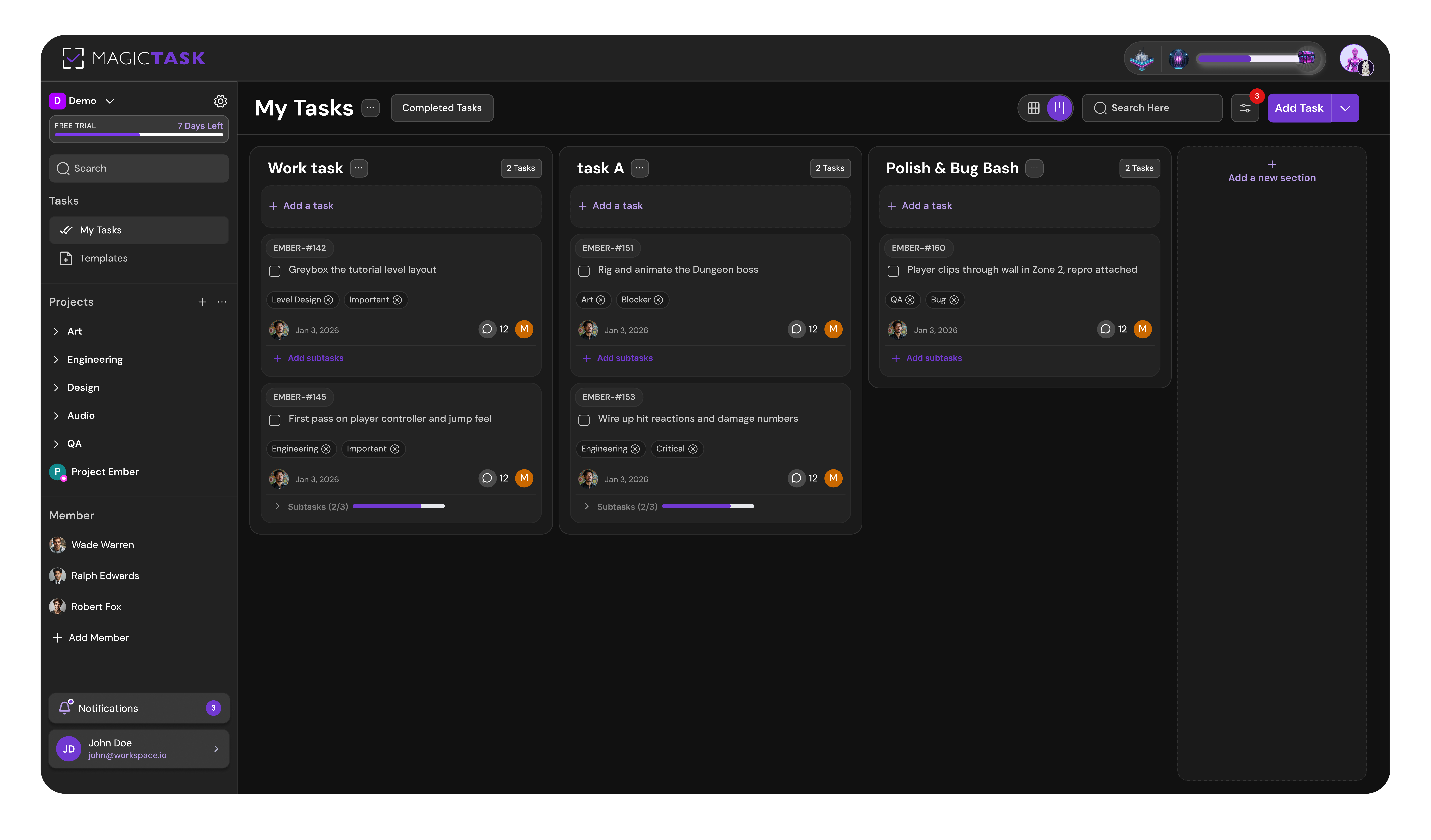
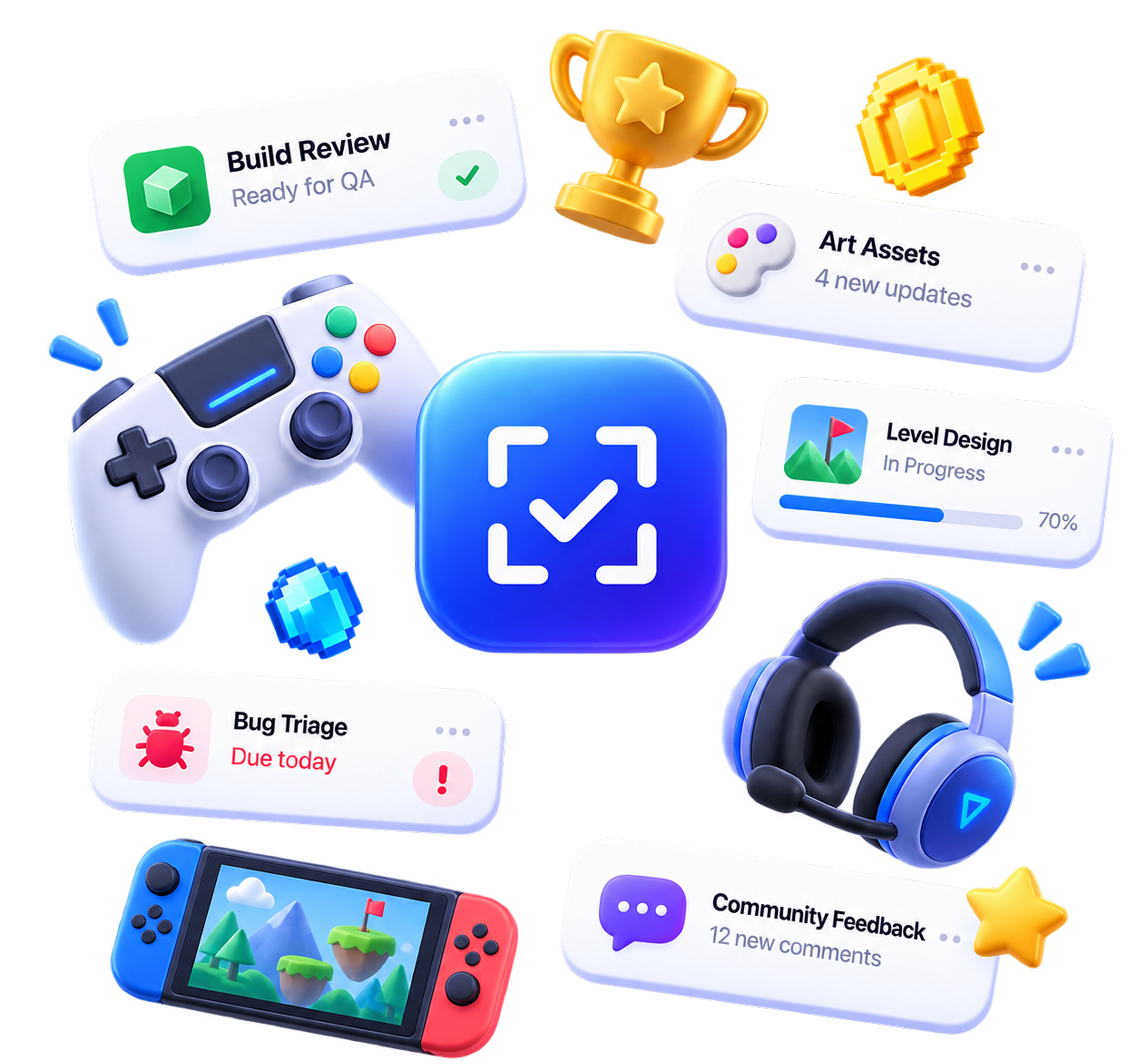
A bug shows up mid-playtest, type it, hit Enter, and it’s on the board with a size, owner, and due date. Quick enough that art and QA use it too.
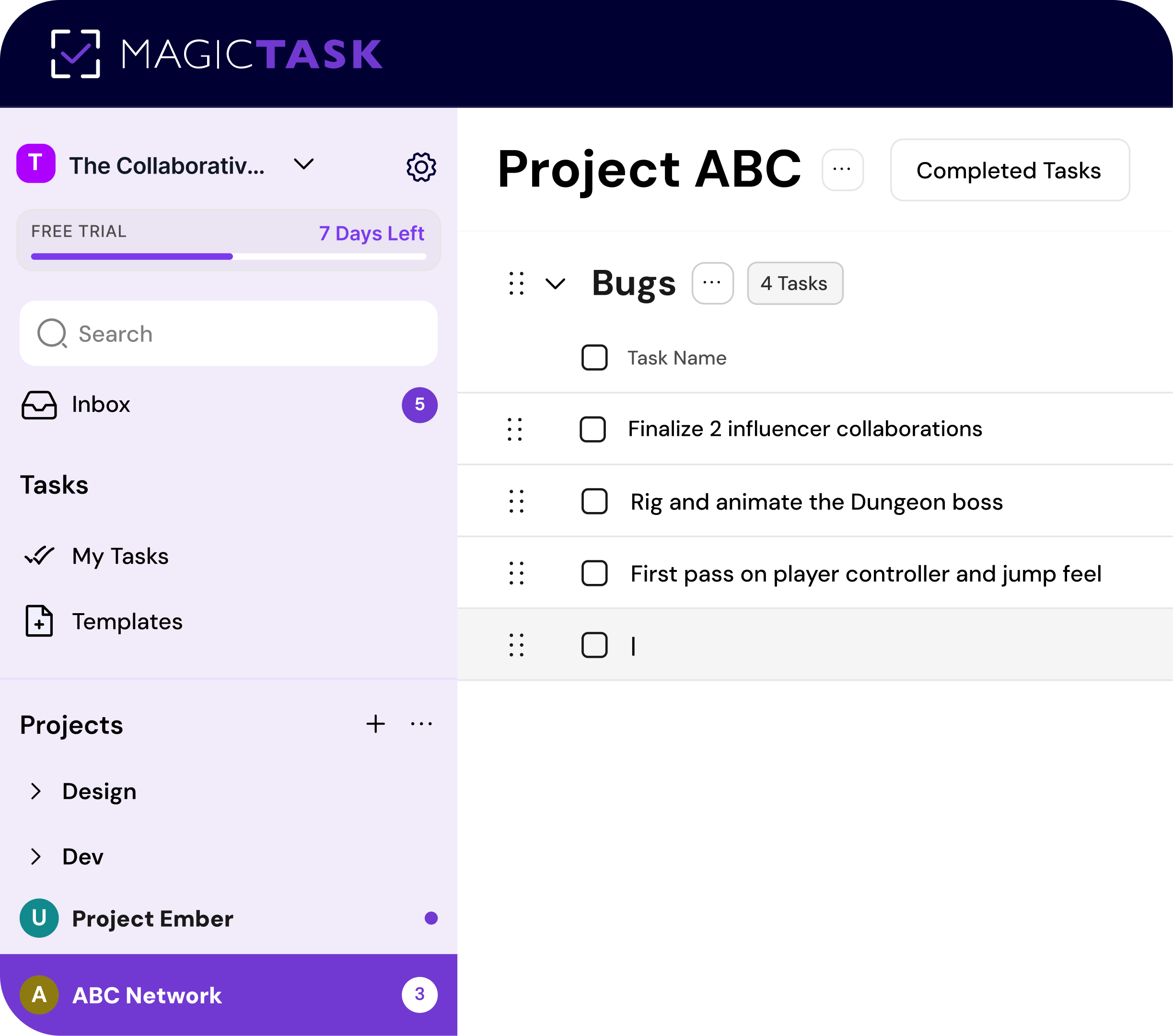
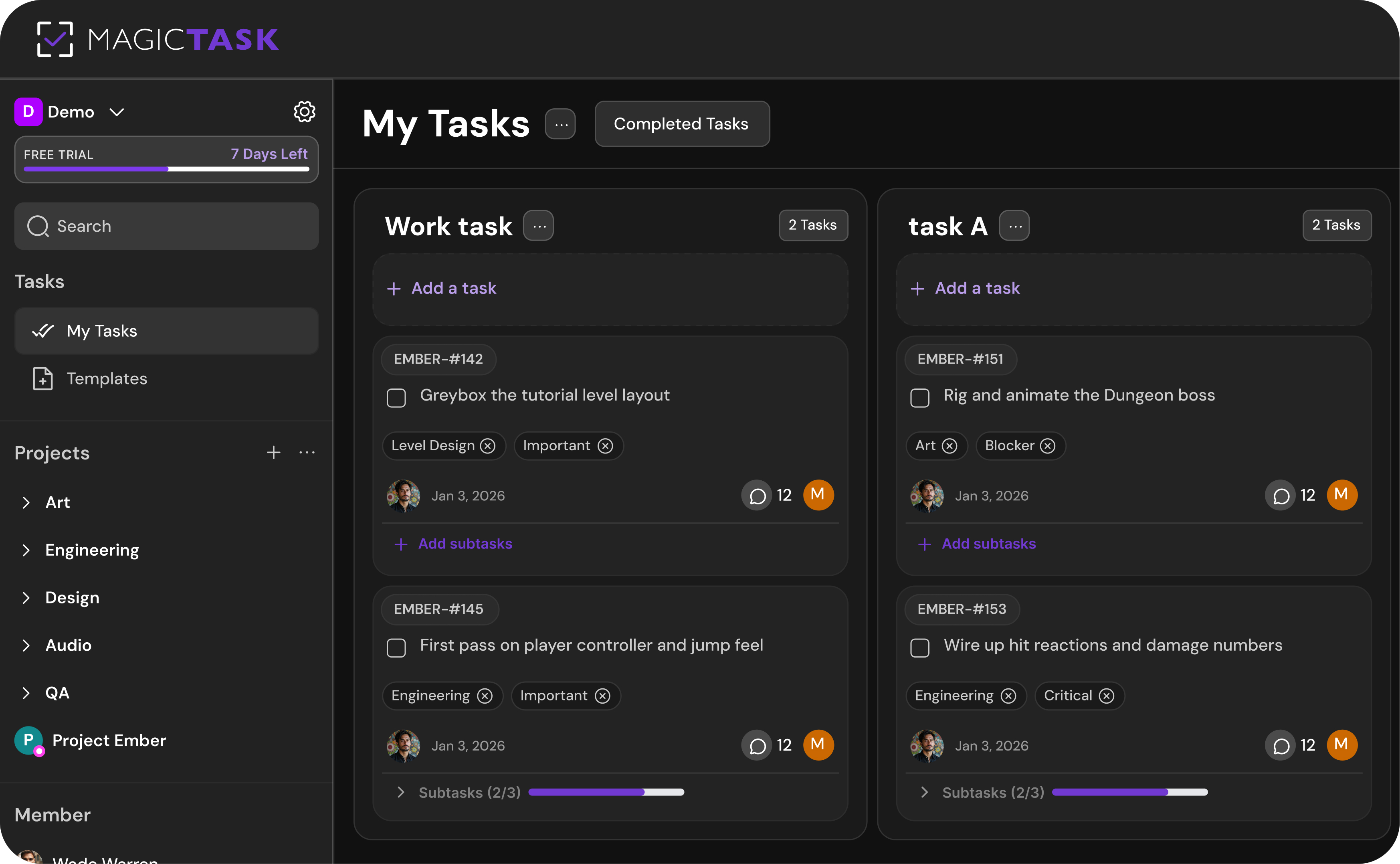
Each project holds a game or milestone. Sections split it by discipline, so art, design, engineering, and QA share one build instead of a tangled backlog.
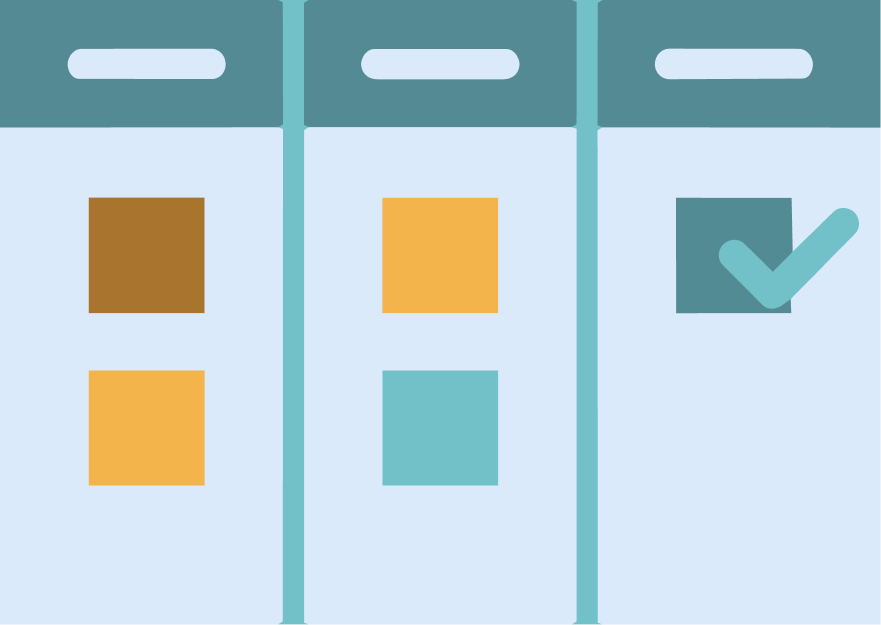
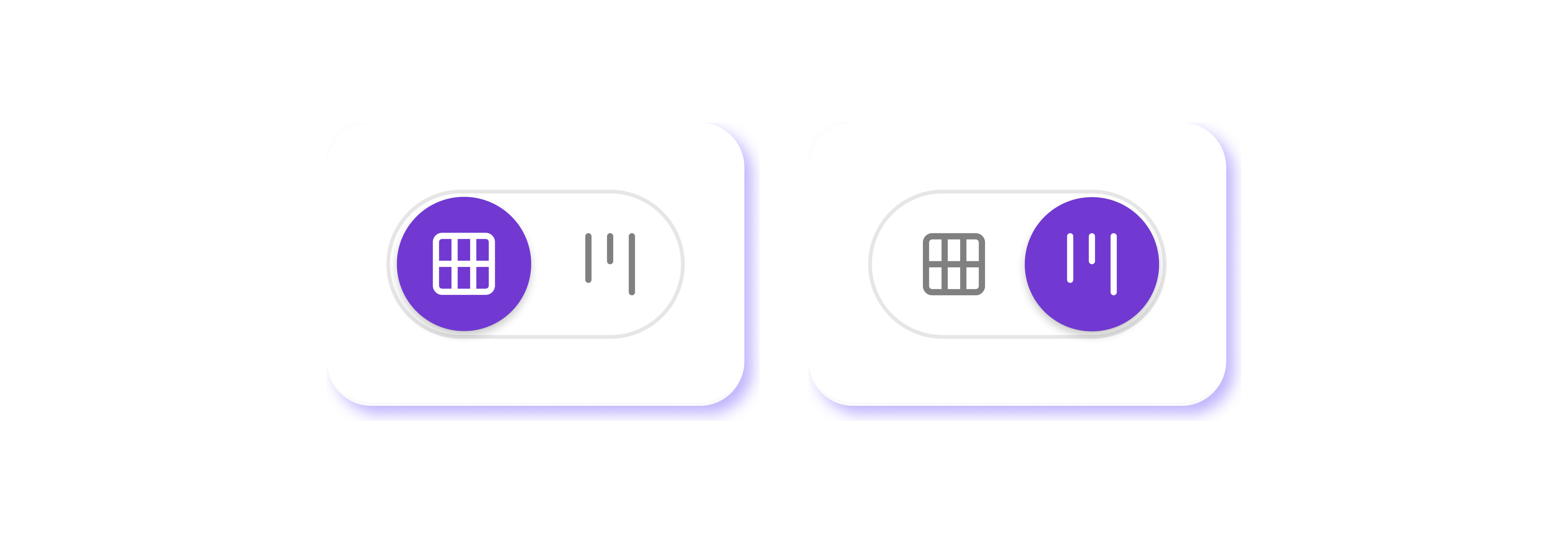
Board view to move work across stages. List view when you’re heads-down before a build. Toggle instantly, sections become your columns.
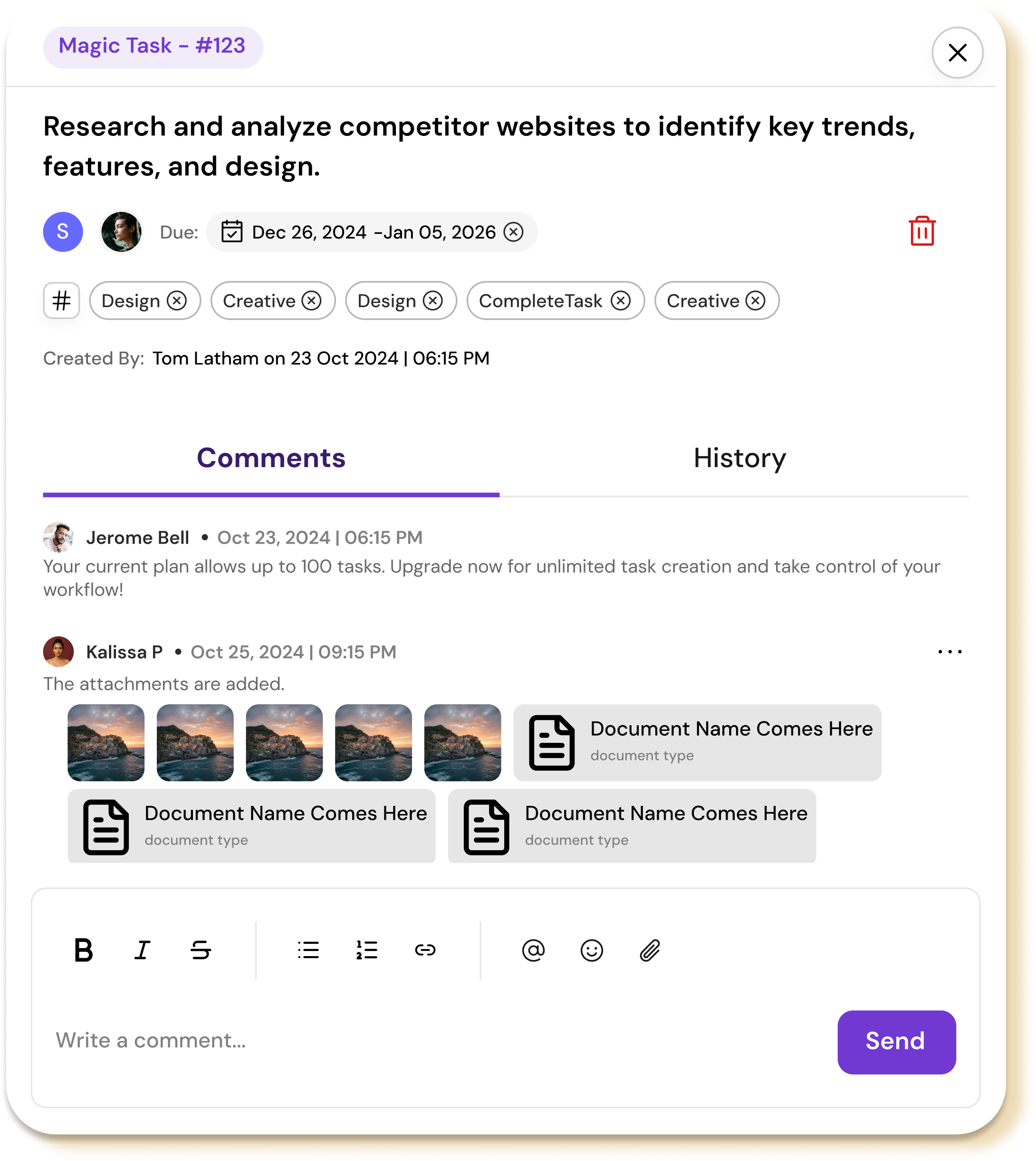
Repro steps, build numbers, and screenshots live on the task, not buried in a Discord thread nobody can search later.
An artist’s out, a feature’s blocked, a milestone shifts. Move it in a click, no hunting for who owns what.
THE GAME LAYER
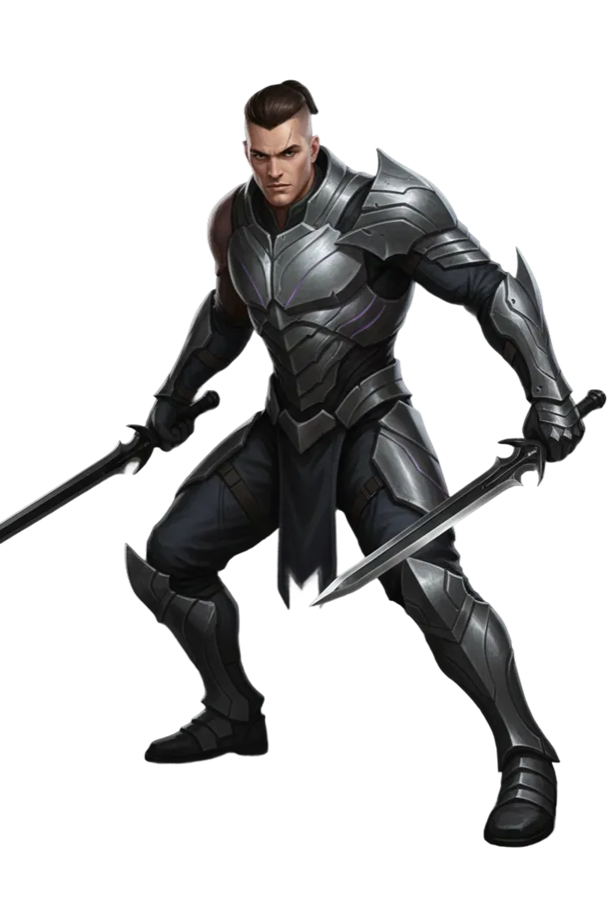
You know every trick in here, because you build them.
So we didn’t paint points on a to-do list, we built
a real one.
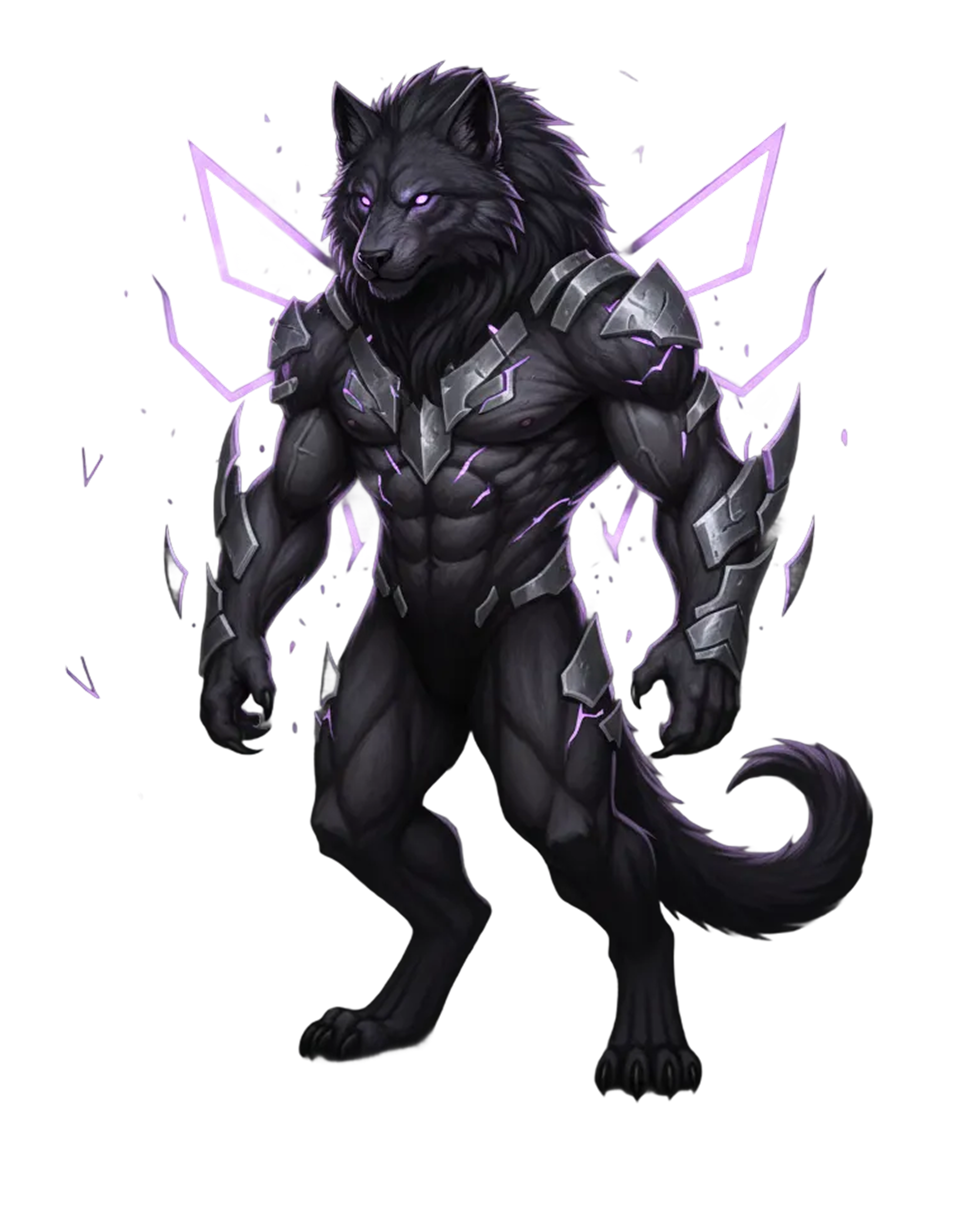
Hit the right milestones along the way and badges
drop separately, including a few Easter eggs you
won’t see coming.
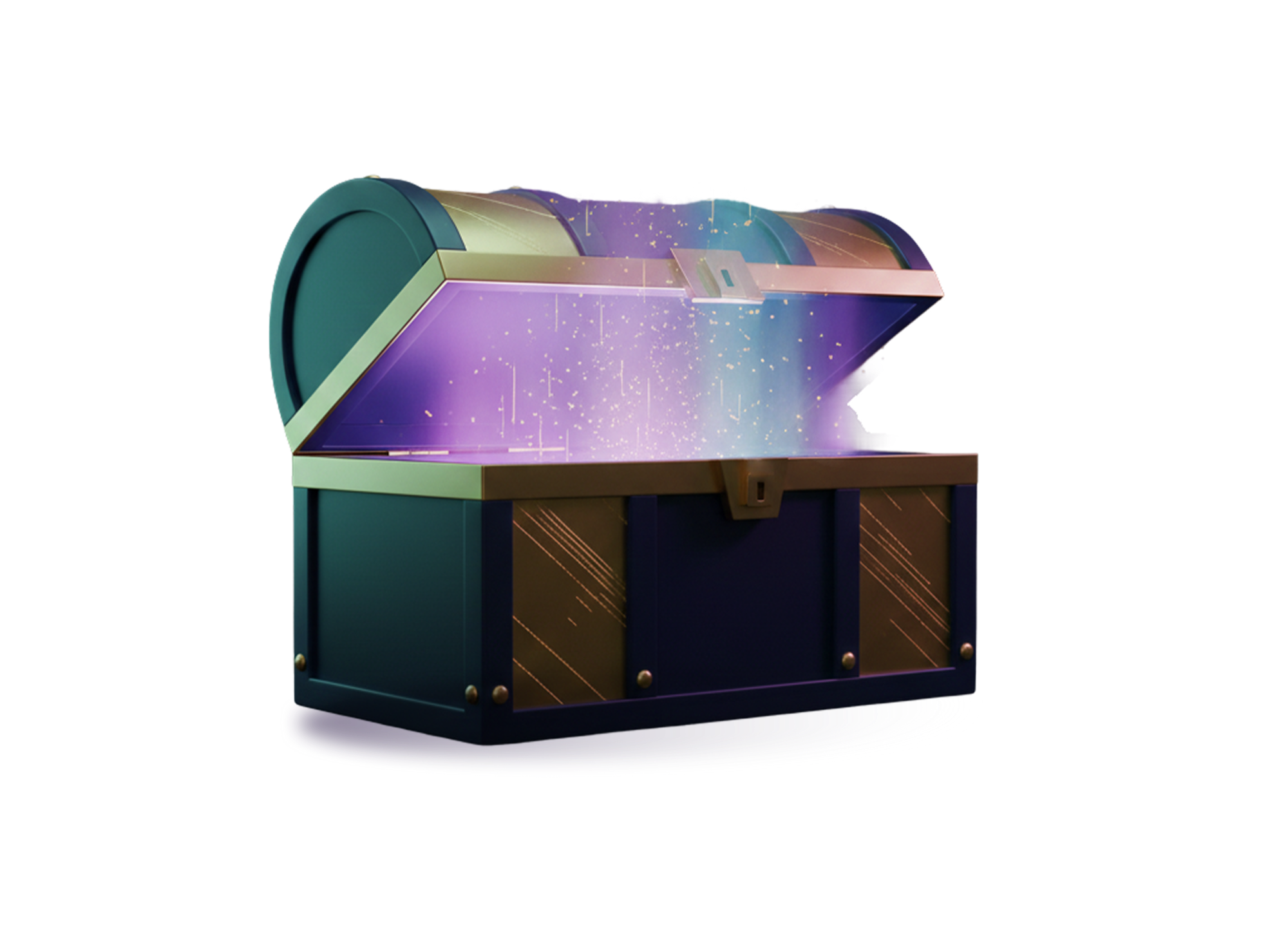
Progress comes from the work itself. Push far enough
and you face the boss of your Dungeon, beat it, and
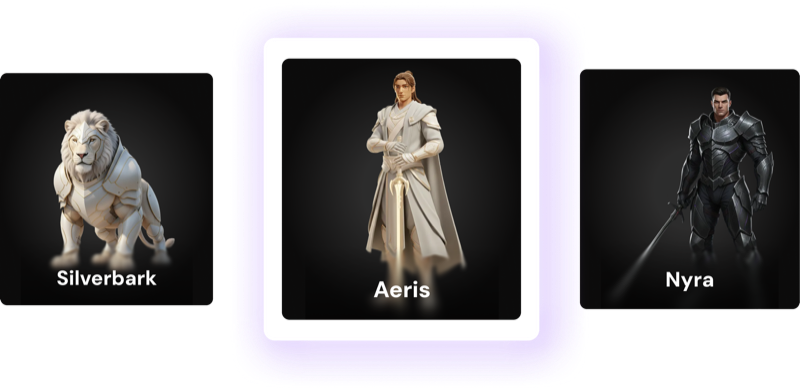
the chest is yours: a skin, a pet, or a background.
You engineer this feeling for players
every day. This time you’re the one
playing.
People update it because it moves their own progress, not because a lead chased them mid-sprint.
The QA pass and the hundredth bug fix show up as progress, not just the flashy feature someone shipped.
The reward loop keeps the team opening it in month eight of a build, when a normal tracker would have gone stale by month two.
Honest Comparison

Runs studio engineering workflow well, but it’s engineer-first, so art and design drift away and the board slowly stops matching reality.

Habitica takes the closest approach to this, a fun retro RPG for solo habits, but it’s built for personal use, not running a studio across art, design, and QA.

HacknPlan is built for game dev and does that job well. It’s still a tracker, so it gives the team no reason to keep it current once crunch sets in.

MagicTask is built for a studio, and the game runs on the actual work, so the board stays current and the effort that usually goes unnoticed finally counts.